Ozempic for Weight Loss USA | Cost, Dosage & Benefits
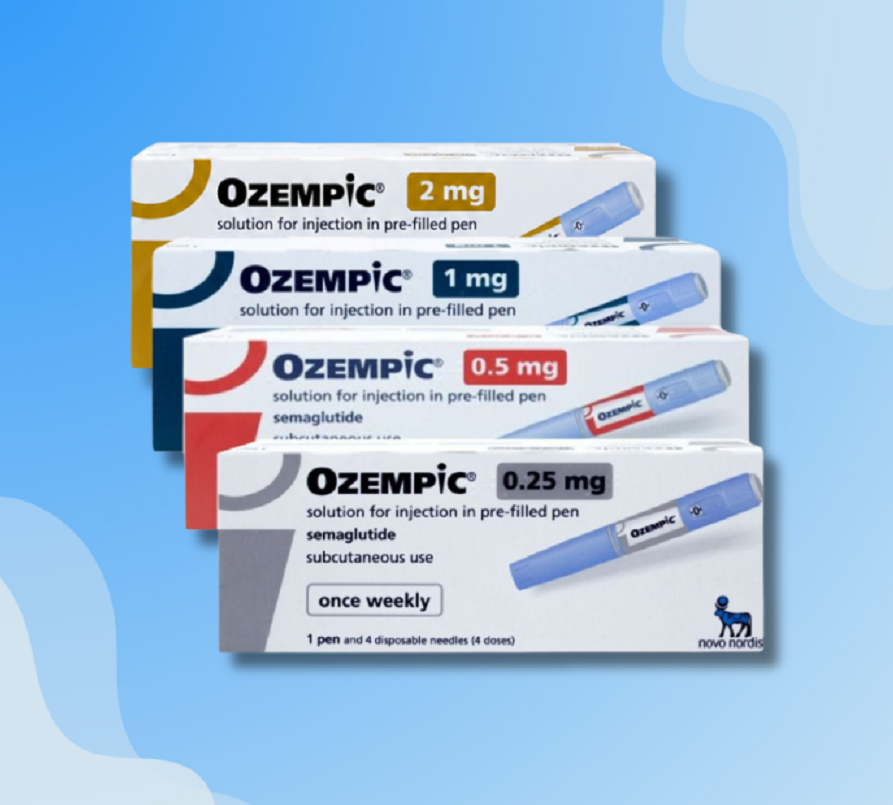
Discover Ozempic (semaglutide) in the USA. Learn about weight loss, off-label use, prescription requirements, dosage, prices, benefits and potential side effects.
Ozempic’s FDA-Approved Uses in the USA (2026)
Ozempic (semaglutide) is FDA-approved for three purposes:
- Type 2 diabetes: To improve blood sugar control in adults alongside diet and exercise.
- Cardiovascular protection: To reduce the risk of heart attack, stroke, and cardiovascular death in adults with type 2 diabetes and established cardiovascular disease.
- Kidney protection: To reduce the risk of worsening kidney function, kidney failure, and cardiovascular death in adults with type 2 diabetes and chronic kidney disease. DailyMed
Important: Ozempic is not FDA-approved specifically for weight loss. Although it can cause weight loss and may be prescribed off-label for that purpose, Wegovy, which also contains semaglutide, is FDA-approved for chronic weight management in eligible patients.
Ozempic USA 2026: Complete Guide to Semaglutide Injections, Dosages, Benefits, Prices & Side Effects
Your Complete Guide to Ozempic 0.25 mg, 0.5 mg, 1 mg, and 2 mg in the United States
Ozempic (semaglutide) has become one of the most widely discussed prescription medications in the United States, particularly among adults managing type 2 diabetes and people researching GLP-1 medications.
Developed by Novo Nordisk, Ozempic is a prescription medication that helps improve blood sugar control in adults with type 2 diabetes. It may also provide important cardiovascular and kidney benefits for eligible patients.
Although Ozempic can produce weight loss in some patients, it is not FDA-approved specifically for weight management. Prescribing Ozempic for weight loss alone is considered off-label use.
At Weight Loss Injections Online USA, our goal is to help readers understand Ozempic, its available injection strengths, how it works, its medical benefits, and the important safety information patients should know before discussing treatment with a healthcare professional.
This comprehensive 2026 guide explains everything you need to know about Ozempic injections in the USA.
1. What Is Ozempic (Semaglutide)?
Ozempic is a brand-name prescription medication containing semaglutide, an active ingredient belonging to the glucagon-like peptide-1 (GLP-1) receptor agonist class.
GLP-1 receptor agonists imitate the effects of a naturally occurring hormone that helps regulate blood sugar levels, appetite, and digestion.
Ozempic helps improve glucose control through several mechanisms, including stimulating insulin release when blood sugar is elevated, reducing glucagon secretion, and slowing stomach emptying.
Ozempic Product Information
Brand Name: Ozempic
Active Ingredient: Semaglutide
Manufacturer: Novo Nordisk
Medication Class: GLP-1 Receptor Agonist
Prescription Status: Prescription Only
Country: United States
FDA Initial Approval: 2017
Injection Type: Subcutaneous Injection
Injection Frequency: Once Weekly
Available Weekly Injection Doses: 0.25 mg, 0.5 mg, 1 mg, and 2 mg
Maximum Recommended Injection Dose: 2 mg Once Weekly
Primary Approved Use: Treatment of Adults With Type 2 Diabetes
Ozempic injection is administered under the skin, typically in the abdomen, thigh, or upper arm.
The medication is intended to be used under the supervision of a licensed healthcare professional.
2. What Is Ozempic Used For?
Ozempic has several FDA-approved medical indications.
Type 2 Diabetes Management
Ozempic is approved to improve blood sugar control in adults with type 2 diabetes when used alongside diet and exercise.
It helps regulate glucose levels and may improve hemoglobin A1C, which measures average blood sugar levels over approximately three months.
Cardiovascular Risk Reduction
Ozempic is approved to reduce the risk of major cardiovascular events, including cardiovascular death, nonfatal heart attack, and nonfatal stroke, in adults with type 2 diabetes and established cardiovascular disease.
Kidney Disease Risk Reduction
Ozempic is also approved to reduce the risk of sustained kidney function decline, end-stage kidney disease, and cardiovascular death in adults with type 2 diabetes and chronic kidney disease.
Weight Loss and Appetite Changes
Some patients taking Ozempic experience reduced appetite and weight loss.
However, weight loss is not an FDA-approved indication for Ozempic.
Patients specifically seeking prescription weight management should discuss FDA-approved options, including Wegovy or Zepbound, with their healthcare provider.
3. Ozempic Injection Dosages: 0.25 mg, 0.5 mg, 1 mg & 2 mg
Ozempic is available in different injection strengths to accommodate treatment initiation and ongoing blood sugar management.
The appropriate dosage depends on the patient's medical condition, treatment response, tolerability, and prescribing healthcare professional's assessment.
Ozempic 0.25 mg – Starting Dose
What Is Ozempic 0.25 mg?
Ozempic 0.25 mg is the standard starting dose for patients beginning injectable Ozempic treatment.
It is designed to help the body gradually adjust to semaglutide and reduce the likelihood of gastrointestinal side effects.
Product Details
- Medication: Ozempic
- Active Ingredient: Semaglutide
- Dose: 0.25 mg
- Administration: Subcutaneous injection
- Frequency: Once weekly
- Standard Starting Period: First four weeks
- Prescription Required: Yes
What Is Ozempic 0.25 mg Used For?
The 0.25 mg dose is used to initiate treatment rather than provide the full intended blood sugar-lowering effect.
Starting with a lower dose may help reduce nausea, vomiting, and other gastrointestinal reactions.
How Long Do Patients Use Ozempic 0.25 mg?
The labeled starting schedule is 0.25 mg once weekly for four weeks.
After completing the initial four weeks, patients generally move to 0.5 mg once weekly under their prescriber's instructions.
Is Ozempic 0.25 mg Effective for Weight Loss?
Some patients may notice appetite changes during the introductory phase.
However, meaningful weight changes are not guaranteed, and the 0.25 mg dose is not considered an effective maintenance dose for blood sugar control.
Important: Patients should not increase their dose earlier than prescribed.
Ozempic 0.5 mg – First Maintenance Dose
What Is Ozempic 0.5 mg?
Ozempic 0.5 mg is the first recommended maintenance dose for adults receiving Ozempic injections.
It is commonly introduced after the patient completes four weeks at the 0.25 mg starting dose.
Product Details
- Medication: Ozempic
- Active Ingredient: Semaglutide
- Dose: 0.5 mg
- Administration: Subcutaneous injection
- Frequency: Once weekly
- Treatment Stage: Maintenance
- Prescription Required: Yes
Benefits of Ozempic 0.5 mg
When prescribed appropriately, Ozempic 0.5 mg may help patients achieve improved blood sugar control.
Potential treatment effects include:
- Reduced elevated blood glucose levels.
- Improved A1C levels.
- Better post-meal glucose regulation.
- Reduced appetite in some patients.
- Weight reduction in some patients.
Responses vary, and not every patient will experience the same results.
How Long Should Patients Remain on Ozempic 0.5 mg?
Patients may remain on the 0.5 mg maintenance dose if it provides sufficient glucose control and is well tolerated.
If additional blood sugar management is required, a healthcare professional may consider increasing the dose to 1 mg after at least four weeks at 0.5 mg.
Higher doses are not automatically necessary for every patient.
Ozempic 1 mg – Higher Maintenance Dose
What Is Ozempic 1 mg?
Ozempic 1 mg is a higher maintenance dose prescribed when additional blood sugar control is needed.
It may be introduced after a patient has received at least four weeks of treatment at the 0.5 mg dose.
Product Details
- Medication: Ozempic
- Active Ingredient: Semaglutide
- Dose: 1 mg
- Administration: Subcutaneous injection
- Frequency: Once weekly
- Treatment Stage: Higher Maintenance Dose
- Prescription Required: Yes
What Is Ozempic 1 mg Used For?
The 1 mg dose may be prescribed to provide additional blood sugar control in adults with type 2 diabetes.
It is also the recommended maintenance dosage in the prescribing information for patients receiving Ozempic specifically to reduce certain kidney-related and cardiovascular risks associated with type 2 diabetes and chronic kidney disease.
Potential Benefits of Ozempic 1 mg
Benefits may include:
- Improved A1C control.
- Reduced fasting blood glucose.
- Improved post-meal blood sugar management.
- Reduced appetite in some patients.
- Weight loss in some patients.
- Kidney-related risk reduction in eligible patients with type 2 diabetes and chronic kidney disease.
Does Ozempic 1 mg Cause More Weight Loss?
Clinical studies have demonstrated weight changes in patients taking Ozempic.
However, results vary between individuals.
A higher dose does not guarantee greater weight loss for every patient and may increase the likelihood of certain gastrointestinal side effects.
Patients should never increase Ozempic doses solely to accelerate weight loss without medical guidance.
Ozempic 2 mg – Maximum Recommended Injection Dose
What Is Ozempic 2 mg?
Ozempic 2 mg is the highest recommended once-weekly dose of Ozempic injection under the current US prescribing information.
It may be prescribed for adults with type 2 diabetes who require additional blood sugar control despite treatment with lower maintenance doses.
Product Details
- Medication: Ozempic
- Active Ingredient: Semaglutide
- Dose: 2 mg
- Administration: Subcutaneous injection
- Frequency: Once weekly
- Treatment Stage: Maximum Maintenance Dose
- Prescription Required: Yes
What Is Ozempic 2 mg Used For?
Ozempic 2 mg is intended for patients who need additional glycemic control after receiving at least four weeks of treatment at the 1 mg dose.
The medication should only be increased after appropriate medical evaluation.
Potential Benefits of Ozempic 2 mg
Depending on individual circumstances, benefits may include:
- Additional reduction in A1C.
- Improved overall blood sugar management.
- Better control of fasting glucose.
- Appetite reduction in some patients.
- Weight reduction in some patients.
Is Ozempic 2 mg Better Than Ozempic 1 mg?
The 2 mg dose may provide additional glucose-lowering benefits for certain patients.
However, it is not necessarily the best choice for everyone.
Treatment decisions depend on blood sugar results, existing health conditions, medication tolerance, and the risk of adverse reactions.
Important: Ozempic 2 mg is the maximum recommended weekly injection dose. Patients should not exceed this amount.
4. Ozempic Dosage Comparison Chart
Ozempic DoseTypical Treatment StageInjection FrequencyOzempic 0.25 mgInitial treatment, weeks 1–4Once weeklyOzempic 0.5 mgFirst maintenance doseOnce weeklyOzempic 1 mgHigher maintenance dose when indicatedOnce weeklyOzempic 2 mgMaximum recommended maintenance doseOnce weekly
Important Dosage Information
Ozempic treatment typically begins at 0.25 mg once weekly for four weeks.
The dose is generally increased to 0.5 mg once weekly beginning in week five.
If additional blood sugar control is needed, the prescriber may increase the dose to 1 mg after at least four weeks at 0.5 mg.
An increase to 2 mg may be considered after at least four weeks at 1 mg.
Patients should follow their individualized prescription and should not change doses without consulting their healthcare professional.
5. Ozempic Injection Pens and Packaging
Ozempic injection pens are designed to deliver measured doses of semaglutide.
Different pen strengths contain different total amounts of medication.
Ozempic 0.25 mg / 0.5 mg Pen
Total Medication Content: 2 mg/3 mL
This multidose pen can deliver the starting doses and the initial maintenance doses according to its labeling.
Ozempic 1 mg Pen
Total Medication Content: 4 mg/3 mL
The standard 1 mg multidose pen provides four 1 mg injections.
Ozempic 2 mg Pen
Total Medication Content: 8 mg/3 mL
The standard 2 mg multidose pen provides four 2 mg injections.
The US prescribing information also describes single-dose prefilled syringe presentations in certain strengths.
Patients should confirm the exact presentation dispensed by their pharmacy and carefully follow its specific instructions for use.
6. How Does Ozempic Work?
Ozempic contains semaglutide, which activates GLP-1 receptors in the body.
This activity helps regulate blood sugar through several mechanisms.
Stimulating Insulin Release
Ozempic helps stimulate insulin secretion when blood glucose is elevated.
Reducing Glucagon Production
The medication reduces inappropriate glucagon secretion, which helps limit excessive glucose production by the liver.
Slowing Gastric Emptying
Ozempic delays the rate at which food leaves the stomach.
This effect contributes to blood sugar regulation after meals and may influence feelings of fullness.
Affecting Appetite
Semaglutide can influence appetite regulation, which may contribute to lower food intake and weight changes in some patients.
Results depend on individual medical circumstances and treatment adherence.
7. Ozempic and Weight Loss: What Should Patients Expect?
Although Ozempic is primarily prescribed for type 2 diabetes, weight loss has been observed in clinical studies.
Some patients experience reduced appetite, eat smaller portions, and lose weight during treatment.
However, weight loss outcomes are not guaranteed.
The amount of weight lost depends on factors such as:
- Individual metabolism.
- Medical history.
- Nutrition.
- Physical activity.
- Duration of treatment.
- Medication tolerance.
- Other medications.
- Prescribed dose.
Ozempic should not be presented as a guaranteed weight loss solution.
Patients seeking treatment specifically for obesity or overweight should discuss medications approved for chronic weight management with their healthcare provider.
8. How to Use Ozempic Injections
Ozempic injection is generally administered once every week.
It may be taken at any time of day, with or without food.
Approved Injection Areas
Ozempic can be injected under the skin in the following locations:
Abdomen: The stomach area.
Thigh: The front of the upper leg.
Upper Arm: The upper arm area.
Patients should rotate injection sites and avoid repeatedly injecting into precisely the same location.
A healthcare professional should demonstrate the correct injection technique before a patient uses Ozempic for the first time.
Always follow the official instructions supplied with the specific pen or syringe.
What Happens If You Miss an Ozempic Dose?
According to the US prescribing information:
If fewer than five days have passed since the scheduled dose, the missed dose should be administered as soon as possible.
If more than five days have passed, the missed dose should be skipped and the regular weekly schedule resumed.
Patients should not take extra medication to compensate for a missed dose.
Those who have missed multiple doses should contact their prescribe for individualized advice.
9. Ozempic Side Effects
Like other prescription medications, Ozempic may cause side effects.
The most frequently reported side effects involve the digestive system.
Common Ozempic Side Effects
Commonly reported reactions include:
- Nausea.
- Vomiting.
- Diarrhea.
- Abdominal pain.
- Constipation.
Gastrointestinal side effects may be more noticeable when beginning treatment or increasing the dosage.
Patients should contact their healthcare professional if symptoms persist, worsen, or interfere with eating and drinking.
Serious Ozempic Side Effects and Warnings
Ozempic can also cause more serious adverse reactions.
Pancreatitis: Severe, persistent abdominal pain, sometimes spreading to the back, may indicate pancreatitis and requires urgent medical evaluation.
Severe Allergic Reactions: Swelling of the face, lips, tongue, or throat, or difficulty breathing, requires emergency medical assistance.
Kidney Injury Due to Dehydration: Persistent vomiting or diarrhea can cause dehydration and worsen kidney function.
Gallbladder Problems: Symptoms may include upper abdominal pain, fever, jaundice, or changes in stool color.
Diabetic Retinopathy Complications: Patients with existing diabetic eye disease may require closer monitoring.
Low Blood Sugar: The risk of hypoglycemia may increase when Ozempic is used with insulin or certain other diabetes medications.
Severe Gastrointestinal Reactions: Ozempic is not recommended for patients with severe gastroparesis.
Patients should discuss these risks with their healthcare professional before starting treatment.
Important Ozempic Thyroid Warning
Ozempic carries an FDA boxed warning concerning thyroid C-cell tumors.
Studies in rodents demonstrated thyroid C-cell tumors following exposure to semaglutide.
It is not known whether Ozempic causes these tumors in humans.
Ozempic must not be used by people with:
- A personal history of medullary thyroid carcinoma (MTC).
- A family history of medullary thyroid carcinoma.
- Multiple Endocrine Neoplasia syndrome type 2 (MEN 2).
Patients should immediately report unusual neck swelling, persistent hoarseness, difficulty swallowing, or breathing problems.
Who Should Not Use Ozempic?
Ozempic is not suitable for everyone.
Patients should not use Ozempic if they have a personal or family history of medullary thyroid carcinoma, MEN 2, or a serious allergic reaction to semaglutide or its ingredients.
A healthcare professional should also carefully review treatment suitability for patients with:
- A history of pancreatitis.
- Severe digestive problems.
- Diabetic eye disease.
- Kidney problems or dehydration risk.
- Gallbladder disease.
- Current pregnancy or plans to become pregnant.
- Other conditions or medicines that may affect treatment safety.
Ozempic should be discontinued at least two months before a planned pregnancy, according to its prescribing information.
Patients should discuss breastfeeding and pregnancy-related concerns with their healthcare professional.
Ozempic Prices in the USA – 2026
The cost of Ozempic in the United States depends on the prescribed strength, insurance coverage, pharmacy, and eligibility for manufacturer savings programs.
Manufacturer Savings Information
As of November 2026, Novo Nordisk advertises the following eligible US self-pay offers for Ozempic injection pens:
These figures refer to specific manufacturer savings offers, not universal retail prices or guaranteed prices from every pharmacy.
The introductory $199 offer is limited to two monthly fills for eligible new patients through December 31, 2026, under the published terms.
Some eligible commercially insured patients may pay as little as $25, subject to savings limits, coverage rules, and other restrictions.
Actual out-of-pocket costs may differ considerably.
Patients should verify current prices, insurance benefits, and savings eligibility before obtaining a prescription.
How to Obtain Ozempic Legally in the USA
Ozempic is a prescription-only medication.
Patients must obtain a valid prescription from a licensed healthcare professional before receiving the medication from a pharmacy.
Step 1: Consult a Licensed Healthcare Professional
A clinician reviews the patient's medical history, diagnosis, current medications, and treatment needs.
Step 2: Complete the Medical Evaluation
The healthcare professional may review blood sugar results, A1C levels, kidney function, and other relevant clinical information.
Step 3: Obtain an Appropriate Prescription
If Ozempic is considered suitable, the healthcare professional determines the appropriate dose and treatment plan.
Step 4: Use a State-Licensed Pharmacy
Patients should obtain prescription medication from a legitimate, licensed pharmacy.
Online pharmacies should require valid prescriptions and provide access to licensed pharmacists.
Step 5: Follow Medical Instructions
Patients must follow their prescribed schedule and attend recommended follow-up appointments.
Avoid websites offering Ozempic without a prescription or products of uncertain origin.
How to Store Ozempic Injection Pens
Proper storage helps preserve the medication's quality.
Before First Use
Unused Ozempic pens should generally be refrigerated at temperatures between:
36°F and 46°F (2°C–8°C).
Do not freeze Ozempic.
After First Use
A multidose Ozempic pen may generally be stored for up to 56 days:
- At controlled room temperature between 59°F and 86°F (15°C–30°C), or
- In a refrigerator between 36°F and 46°F (2°C–8°C).
Discard the pen after 56 days, even if medication remains.
Keep the pen away from excessive heat and direct sunlight.
Storage instructions can differ for other presentations, so patients should always follow the information included with their dispensed product.
Ozempic vs Wegovy: What Is the Difference?
Ozempic and Wegovy both contain semaglutide. However, they are marketed under different brand names and have different FDA-approved indications and dosing regimens.
Ozempic
Ozempic injection is approved for adults with type 2 diabetes and specified cardiovascular and kidney risk-reduction indications.
Although weight loss may occur during treatment, Ozempic is not specifically FDA-approved as a weight loss medication.
Wegovy
Wegovy is FDA-approved for chronic weight management in eligible patients and has additional approved indications.
The two medications should not be treated as interchangeable products.
Patients should consult their healthcare professional to determine which treatment, if any, is suitable.
Frequently Asked Questions About Ozempic
Is Ozempic FDA-approved in the USA?
Yes. Ozempic received its initial FDA approval in 2017 and is approved for specific type 2 diabetes-related indications.
Is Ozempic approved for weight loss?
No. Ozempic is not FDA-approved specifically for weight loss. Prescribing it solely for weight management is an off-label use.
What is the starting dose of Ozempic?
The usual starting dose of Ozempic injection is 0.25 mg once weekly for four weeks.
Is Ozempic 0.5 mg a maintenance dose?
Yes. Ozempic 0.5 mg is the first recommended maintenance injection dose.
What is Ozempic 1 mg used for?
Ozempic 1 mg may provide additional glucose control for adults with type 2 diabetes. It is also the recommended maintenance dosage for certain patients with type 2 diabetes and chronic kidney disease.
What is the highest dose of Ozempic injection?
The maximum recommended dose is 2 mg once weekly.
How often should Ozempic be injected?
Ozempic injection is generally administered once weekly, on the same day each week.
Can Ozempic help reduce appetite?
Yes. Some patients experience reduced appetite during treatment, although individual responses vary.
Does Ozempic cause weight loss?
Weight loss can occur during Ozempic treatment, but results are not guaranteed.
Can Ozempic cause nausea?
Yes. Nausea is among the most commonly reported side effects, especially during treatment initiation or dose escalation.
Can Ozempic be used without a prescription?
No. Ozempic is a prescription-only medication in the United States.
Can I increase my Ozempic dose myself?
No. Dosage adjustments should only occur under a healthcare professional's direction.
Is Ozempic available as a pill?
As of 2026, Ozempic also has an oral formulation. Oral Ozempic has different dosing and administration instructions from the once-weekly injection. Tablet and injection doses must not be considered directly interchangeable.
This guide focuses on Ozempic injections.
Can I use Ozempic during pregnancy?
Patients who are pregnant or planning pregnancy should discuss treatment with their healthcare provider. The prescribing information recommends stopping Ozempic at least two months before a planned pregnancy.
How long can a patient use Ozempic?
Treatment duration depends on the patient's medical condition, response, tolerability, and healthcare professional's recommendations.
Does Ozempic permanently cure type 2 diabetes?
No. Ozempic helps manage type 2 diabetes but does not cure the condition.
Important Considerations Before Starting Ozempic
Before beginning Ozempic, patients should have a complete discussion with their healthcare professional. Important topics include medical history, current medications, blood sugar results, kidney function, pregnancy plans, potential interactions, and treatment goals. Patients should also understand that lifestyle measures remain an important part of type 2 diabetes management. Balanced nutrition, appropriate physical activity, and consistent medical follow-up can help support overall health. Medication treatment should always be individualized.
Final Thoughts: Understanding Ozempic in the USA
Ozempic has become an important treatment option for adults with type 2 diabetes.
Its once-weekly injection schedule and different available strengths allow healthcare professionals to select treatment plans according to individual needs.
From the 0.25 mg starting dose to the 0.5 mg, 1 mg, and 2 mg maintenance doses, each strength has a specific role in treatment.
However, Ozempic is not suitable for everyone, and the medication carries important safety warnings.
Patients should never use Ozempic without a valid prescription or increase the dosage without medical supervision.
Learn More About Ozempic and Prescription GLP-1 Medications
At Weight Loss Injections Online USA, we provide educational information about Ozempic, Wegovy, Mounjaro, Zepbound, Saxenda, and other medications used in metabolic health and weight management.
Our goal is to help readers understand their treatment options, medication differences, and important safety considerations.
Explore our website to learn more about prescription GLP-1 medications and discuss appropriate treatment options with a licensed healthcare professional.
Medical Disclaimer: This article is provided for general educational purposes and does not replace professional medical advice, diagnosis, or treatment. Ozempic is a prescription medication. All treatment decisions and dosage adjustments must be made by a licensed healthcare professional.
Last Updated: November 2026
Name: Dr. Meriane
WhatsApp: +1 (239) 383-2888
Email: info@injectweightloss.org