Mounjaro for Sale in USA | Tirzepatide Injections Online
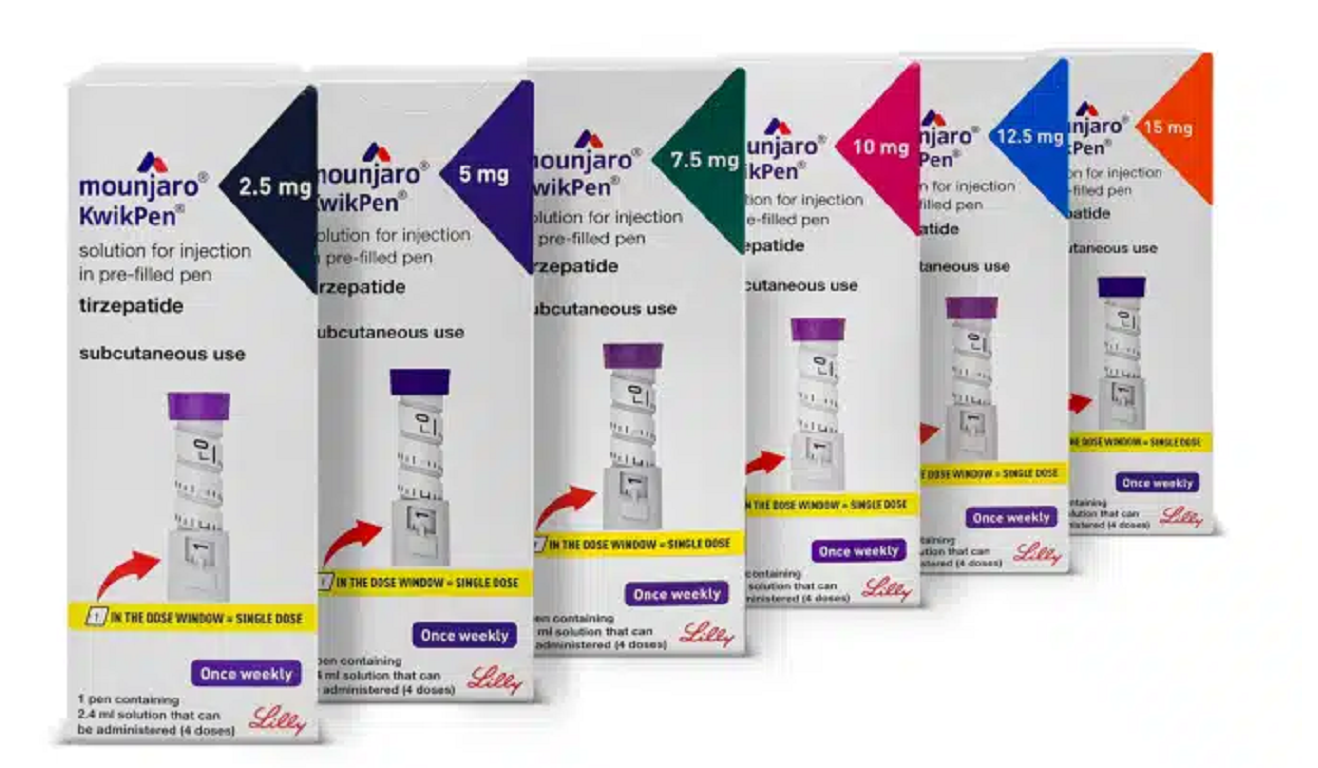
Explore Mounjaro (tirzepatide) in the USA. Learn about all six injection doses, FDA-approved uses, diabetes treatment, weight changes, costs and side effects.
Your Complete Guide to Mounjaro 2.5 mg, 5 mg, 7.5 mg, 10 mg, 12.5 mg, and 15 mg in the United States
Mounjaro (tirzepatide) has become one of the most widely discussed prescription medications in the United States. Known for its effectiveness in managing type 2 diabetes and its potential to support weight reduction, Mounjaro has attracted significant attention from patients and healthcare professionals.
Manufactured by Eli Lilly and Company, Mounjaro is a once-weekly injectable prescription medication designed to improve blood sugar control in eligible patients with type 2 diabetes.
Unlike medications that activate only GLP-1 receptors, Mounjaro works through two hormone receptors: GIP and GLP-1. This dual mechanism helps regulate blood glucose, insulin secretion, appetite, and digestion.
In 2026, Mounjaro also received an additional FDA-approved indication for reducing the risk of major cardiovascular events in certain adults with type 2 diabetes.
Although Mounjaro can produce weight loss, Mounjaro is not FDA-approved specifically for weight management in the USA. Zepbound, which contains the same active ingredient, tirzepatide, is approved for chronic weight management in eligible adults.
At Weight Loss Injections Online USA, we provide educational information about prescription GLP-1 medications, helping readers understand available treatments, dosage options, medication safety, and prescription requirements.
This comprehensive Mounjaro guide covers everything patients should know before discussing treatment with a licensed healthcare professional.
What Is Mounjaro (Tirzepatide)?
Mounjaro is a prescription medication containing tirzepatide, a compound that activates glucose-dependent insulinotropic polypeptide (GIP) and glucagon-like peptide-1 (GLP-1) receptors.
These hormones play important roles in blood sugar regulation, insulin secretion, appetite, and food intake.
Mounjaro is administered as a subcutaneous injection once weekly.
It was initially approved by the US Food and Drug Administration (FDA) in May 2022.
Mounjaro Product Information
Brand Name: Mounjaro
Generic Ingredient: Tirzepatide
Manufacturer: Eli Lilly and Company
Medication Class: Dual GIP and GLP-1 Receptor Agonist
Initial FDA Approval: May 2022
Country: United States
Medication Type: Prescription Injection
Administration: Subcutaneous Injection
Injection Frequency: Once Weekly
Available Injection Strengths: 2.5 mg, 5 mg, 7.5 mg, 10 mg, 12.5 mg, and 15 mg
Maximum Adult Dosage: 15 mg Once Weekly
Maximum Pediatric Dosage: 10 mg Once Weekly for Patients Aged 10 Years and Older
Prescription Required: Yes
Primary Medical Use: Type 2 Diabetes Management
Additional Approved Use: Cardiovascular Risk Reduction in Certain Adults With Type 2 Diabetes
Mounjaro should only be used according to a licensed healthcare professional's prescription.
What Is Mounjaro Used For?
Mounjaro has important FDA-approved medical indications in the United States.
Type 2 Diabetes Management
Mounjaro is FDA-approved to improve blood sugar control in adults and children aged 10 years and older with type 2 diabetes when used alongside diet and exercise.
The medication helps regulate insulin and glucagon activity in response to blood glucose levels.
Clinical studies have demonstrated meaningful reductions in A1C, a measurement of average blood sugar over approximately three months.
Cardiovascular Risk Reduction
In August 2026, the FDA approved Mounjaro to reduce the risk of major adverse cardiovascular events in adults with type 2 diabetes who are at high risk for these events.
These events include cardiovascular death, nonfatal heart attack, and nonfatal stroke.
The approval was supported by cardiovascular outcomes research evaluating tirzepatide in adults with type 2 diabetes.
Weight Loss and Appetite Regulation
Some patients taking Mounjaro experience decreased appetite, reduced food intake, and weight loss.
However, Mounjaro is not FDA-approved specifically for weight loss.
Prescribing Mounjaro solely for weight management is considered off-label use in the United States.
Patients seeking medication specifically approved for chronic weight management should discuss appropriate options, including Zepbound, with their healthcare professional.
Mounjaro Injection Dosages: Complete Guide to Every Strength
Mounjaro is available in six injection strengths.
Each strength has a role in treatment initiation or ongoing blood sugar management.
The appropriate dosage depends on the patient's medical history, blood sugar response, treatment goals, and tolerance.
Mounjaro 2.5 mg – Starting Dose
What Is Mounjaro 2.5 mg?
Mounjaro 2.5 mg is the recommended initial dose for patients beginning treatment.
It allows the body to adjust gradually to tirzepatide.
Starting at a lower dose helps reduce the likelihood of gastrointestinal side effects, including nausea and vomiting.
Mounjaro 2.5 mg Product Details
Medication: Mounjaro
Active Ingredient: Tirzepatide
Dosage: 2.5 mg
Injection Frequency: Once Weekly
Administration: Subcutaneous Injection
Treatment Stage: Starting Dose
Prescription Status: Prescription Required
What Is Mounjaro 2.5 mg Used For?
Mounjaro 2.5 mg is used to initiate treatment.
The starting dose helps patients adjust to the medication before a healthcare professional considers increasing the dose.
It is generally prescribed once weekly during the initial treatment period.
How Long Is Mounjaro 2.5 mg Used?
Patients typically begin treatment with 2.5 mg once weekly.
After at least four weeks, a healthcare professional may increase the dose to 5 mg based on treatment response and clinical needs.
Can Mounjaro 2.5 mg Cause Weight Loss?
Some patients notice appetite changes or weight reduction during the introductory stage.
However, results vary, and weight loss is not guaranteed.
The primary purpose of the starting dose is to begin treatment safely and improve tolerability.
Important: Patients should not increase their dose without medical supervision.
Mounjaro 5 mg – Lower Maintenance Dose
What Is Mounjaro 5 mg?
Mounjaro 5 mg is a commonly used maintenance dose for patients requiring ongoing blood sugar management.
It may be prescribed after the initial treatment period at 2.5 mg.
Mounjaro 5 mg Product Details
Medication: Mounjaro
Active Ingredient: Tirzepatide
Dosage: 5 mg
Injection Frequency: Once Weekly
Administration: Subcutaneous Injection
Treatment Stage: Maintenance Treatment
Prescription Status: Prescription Required
Benefits of Mounjaro 5 mg
Mounjaro 5 mg may help improve blood sugar levels in people with type 2 diabetes.
Potential effects include improved A1C levels, reduced fasting glucose, better post-meal blood sugar control, and reduced appetite.
Some patients may also experience weight loss.
These effects differ between individuals.
Is Mounjaro 5 mg Effective?
Clinical trials have demonstrated that tirzepatide can improve blood sugar control.
However, treatment effectiveness depends on individual medical circumstances.
Patients who achieve satisfactory blood glucose control at 5 mg may not require a higher dosage.
When Is the Dose Increased?
If additional blood sugar control is needed, the prescriber may increase the dose to 7.5 mg after at least four weeks at 5 mg.
A higher dosage is not automatically necessary for every patient.
Mounjaro 7.5 mg – Intermediate Treatment Dose
What Is Mounjaro 7.5 mg?
Mounjaro 7.5 mg is an intermediate injection strength used when a patient's healthcare professional determines that additional blood sugar control is needed.
It can also serve as a gradual dose-escalation step before higher treatment strengths.
Mounjaro 7.5 mg Product Details
Medication: Mounjaro
Active Ingredient: Tirzepatide
Dosage: 7.5 mg
Injection Frequency: Once Weekly
Administration: Subcutaneous Injection
Treatment Stage: Intermediate Maintenance or Dose Escalation
Prescription Status: Prescription Required
What Is Mounjaro 7.5 mg Used For?
This strength may be prescribed for patients who need additional glucose control beyond their current dose.
It can help patients progress gradually while allowing their healthcare professional to monitor side effects.
Potential Benefits of Mounjaro 7.5 mg
Treatment may improve glucose regulation and A1C levels.
Some patients may also experience reduced appetite or weight changes.
However, individual results vary, and greater weight loss is not guaranteed.
How Long Can Patients Use Mounjaro 7.5 mg?
Patients may remain on 7.5 mg if their healthcare professional considers the dose appropriate.
If further blood sugar control is needed, an increase to 10 mg may be considered after at least four weeks at 7.5 mg.
Mounjaro 10 mg – Higher Maintenance Dose
What Is Mounjaro 10 mg?
Mounjaro 10 mg is a higher-strength tirzepatide injection prescribed when additional blood sugar control is required.
It may be used in patients whose treatment needs are not adequately met by lower doses.
Mounjaro 10 mg Product Details
Medication: Mounjaro
Active Ingredient: Tirzepatide
Dosage: 10 mg
Injection Frequency: Once Weekly
Administration: Subcutaneous Injection
Treatment Stage: Higher Maintenance Treatment
Prescription Status: Prescription Required
Benefits of Mounjaro 10 mg
Potential treatment effects include improved A1C levels, reduced elevated blood glucose, and improved glucose regulation.
Some patients may experience weight reduction during treatment.
However, these outcomes depend on the patient's individual response.
Is Mounjaro 10 mg Suitable for Everyone?
No.
The appropriate treatment strength depends on blood glucose results, tolerability, medical history, and the prescribing professional's assessment.
Mounjaro 10 mg is also the maximum recommended weekly dose for pediatric patients aged 10 years and older.
Can Adults Increase Beyond 10 mg?
Adults who require additional blood sugar control may be considered for 12.5 mg after at least four weeks at 10 mg.
Children must not exceed the pediatric maximum of 10 mg once weekly.
Mounjaro 12.5 mg – Advanced Dose Escalation
What Is Mounjaro 12.5 mg?
Mounjaro 12.5 mg is a higher-dose treatment option available for adults with type 2 diabetes.
It may be prescribed when additional blood sugar control is necessary.
Mounjaro 12.5 mg Product Details
Medication: Mounjaro
Active Ingredient: Tirzepatide
Dosage: 12.5 mg
Injection Frequency: Once Weekly
Administration: Subcutaneous Injection
Treatment Stage: Higher Adult Maintenance or Dose Escalation
Prescription Status: Prescription Required
What Is Mounjaro 12.5 mg Used For?
Mounjaro 12.5 mg may be used when the current adult treatment dose does not provide adequate glucose control.
It also provides an incremental step between 10 mg and 15 mg.
Potential Benefits of Mounjaro 12.5 mg
Patients may experience additional improvements in blood sugar control.
Appetite changes and weight reduction may also occur.
However, higher doses can increase the risk of certain gastrointestinal adverse reactions.
How Long Should Patients Remain on Mounjaro 12.5 mg?
Treatment duration depends on individual response and tolerability.
Adults who need additional glucose control may be considered for 15 mg after at least four weeks at 12.5 mg.
Important: Mounjaro 12.5 mg is above the approved maximum pediatric dosage and must not be used in children.
Mounjaro 15 mg – Maximum Adult Dose
What Is Mounjaro 15 mg?
Mounjaro 15 mg is the highest recommended once-weekly dosage for adults.
It may be prescribed to adults with type 2 diabetes who require additional blood sugar control and can tolerate treatment at this strength.
Mounjaro 15 mg Product Details
Medication: Mounjaro
Active Ingredient: Tirzepatide
Dosage: 15 mg
Injection Frequency: Once Weekly
Administration: Subcutaneous Injection
Treatment Stage: Maximum Adult Maintenance Dose
Prescription Status: Prescription Required
What Is Mounjaro 15 mg Used For?
Mounjaro 15 mg is used for adults requiring additional glycemic control beyond lower maintenance doses.
It is not necessary or appropriate for every patient.
Potential Benefits of Mounjaro 15 mg
Depending on individual circumstances, treatment may produce additional A1C reductions and improved overall blood glucose control.
Weight reduction has also been observed in clinical studies involving higher tirzepatide doses.
However, Mounjaro is not approved specifically for weight management.
Is Mounjaro 15 mg the Strongest Dose?
Yes.
Mounjaro 15 mg once weekly is the maximum recommended dosage for adults.
Patients must not exceed this dose.
Can Patients Start Treatment at 15 mg?
No.
Mounjaro treatment begins at a lower dose to reduce the risk of gastrointestinal side effects.
Dose escalation must follow the prescribing healthcare professional's instructions.
Mounjaro Dosage Schedule Explained
Mounjaro treatment begins with a recommended starting dose of 2.5 mg once weekly.
After at least four weeks, the healthcare professional may increase the dosage if additional glycemic control is needed.
Further increases are made in increments of 2.5 mg, with at least four weeks spent at the current dosage before escalation.
The available sequence is:
Mounjaro 2.5 mg: Recommended starting dose.
Mounjaro 5 mg: Lower maintenance dose.
Mounjaro 7.5 mg: Intermediate maintenance or escalation dose.
Mounjaro 10 mg: Higher maintenance dose and maximum pediatric dosage.
Mounjaro 12.5 mg: Higher adult dose.
Mounjaro 15 mg: Maximum recommended adult dosage.
Not every patient needs to progress through every dose.
The healthcare professional determines the appropriate dosage based on treatment goals, blood sugar control, and tolerability.
How Does Mounjaro Work?
Mounjaro contains tirzepatide, a dual GIP and GLP-1 receptor agonist.
Its effects involve several physiological mechanisms.
Improving Insulin Secretion
Mounjaro helps increase insulin secretion when blood sugar levels are elevated.
Insulin helps move glucose from the bloodstream into cells.
Reducing Glucagon Levels
Tirzepatide reduces glucagon secretion in a glucose-dependent manner.
This helps limit excessive glucose production by the liver.
Slowing Gastric Emptying
Mounjaro slows the movement of food from the stomach into the small intestine.
This can influence post-meal glucose levels and feelings of fullness.
Reducing Food Intake
Some patients taking tirzepatide experience reduced appetite and lower food consumption.
These changes may contribute to weight loss.
Supporting Blood Sugar Regulation
The combined activity of GIP and GLP-1 receptors supports improved glucose regulation in patients with type 2 diabetes.
Mounjaro and Weight Loss: What Patients Should Know
Mounjaro has received significant attention because patients using tirzepatide in clinical studies have experienced weight reduction.
The medication affects appetite, food intake, and metabolic pathways.
However, the amount of weight lost varies.
Individual results depend on medical history, treatment duration, nutrition, physical activity, prescribed dosage, and medication tolerance.
How Much Weight Can Patients Lose?
Clinical trials have demonstrated meaningful average weight reductions with tirzepatide.
However, these study averages do not predict an individual patient's results.
Some patients may lose substantial weight, others may experience modest changes, and some may not achieve their desired results.
How Quickly Does Mounjaro Work?
Blood sugar improvements may begin during the early stages of treatment.
Weight changes, when they occur, usually develop over time rather than immediately.
Patients should not increase their dosage to accelerate weight loss.
Is Mounjaro FDA-Approved for Obesity?
No.
In the United States, Mounjaro is approved for type 2 diabetes-related indications.
Zepbound, another Eli Lilly medication containing tirzepatide, is FDA-approved for chronic weight management in eligible adults.
Mounjaro Injection Pens and Packaging
Mounjaro is available in several injection presentations.
These include single-dose pens, single-dose vials, multidose vials, and single-patient-use KwikPens.
The correct administration procedure depends on the specific product.
Mounjaro Single-Dose Pens
Single-dose pens are prefilled devices designed to deliver one prescribed dose.
The available strengths include 2.5 mg, 5 mg, 7.5 mg, 10 mg, 12.5 mg, and 15 mg.
Each single-dose pen contains 0.5 mL of solution.
A standard four-week supply may contain four individual single-dose pens.
Mounjaro Single-Dose Vials
Single-dose vials contain one prescribed dose of tirzepatide.
A suitable sterile syringe and needle are required for administration.
Patients must receive proper training before use.
Mounjaro KwikPen
The Mounjaro KwikPen is a multidose device intended for use by one patient only.
Each KwikPen contains four weekly doses of the prescribed strength.
The device must never be shared, even when the needle is replaced.
Mounjaro Multidose Vials
Multidose vials contain four doses and are designed for repeated administration according to their instructions.
Patients must use the correct syringe and follow the manufacturer's directions.
Important: Mounjaro pens and vials can have different liquid volumes. Patients must never attempt to calculate or change their dose by counting pen clicks or using instructions intended for another presentation.
How to Use Mounjaro Injections
Mounjaro is administered once weekly by injection under the skin.
The medication may be administered at any time of day, with or without food.
Approved Injection Areas
Abdomen: Mounjaro can be injected into the stomach area.
Thigh: The medication may be injected into the thigh.
Upper Arm: Another person may administer the injection into the back of the upper arm.
Patients should rotate injection sites.
The medication must not be injected into a vein or muscle.
Before their first injection, patients should receive instructions from a qualified healthcare professional.
The official instructions for the exact pen or vial must always be followed.
Can Mounjaro Be Injected on Different Days?
Yes.
The weekly injection day may be changed if at least 72 hours have passed between doses.
Patients should not administer doses too close together.
What Happens If You Miss a Mounjaro Dose?
If a dose is missed, it may be taken within four days, or 96 hours, of the scheduled administration time.
If more than four days have passed, the missed dose should be skipped.
The patient should then resume the normal weekly schedule.
Two doses must never be administered within 72 hours of each other.
Patients who have missed several consecutive doses should contact their healthcare professional before restarting.
Mounjaro Side Effects
Mounjaro can cause side effects, particularly during treatment initiation or dose increases.
Many reported adverse reactions involve the digestive system.
Common Mounjaro Side Effects
Commonly reported side effects include:
Nausea, diarrhea, decreased appetite, vomiting, constipation, indigestion, and abdominal pain.
Some patients may also experience injection-site reactions.
These symptoms vary in severity and may improve as the body adjusts to treatment.
Patients should contact their healthcare professional if symptoms persist or worsen.
Serious Mounjaro Side Effects
Mounjaro can also cause serious adverse reactions.
Pancreatitis: Severe and persistent abdominal pain, sometimes radiating to the back, requires urgent medical evaluation.
Severe Allergic Reactions: Swelling of the face, tongue, lips, or throat, difficulty breathing, or a severe allergic reaction requires emergency medical assistance.
Low Blood Sugar: Hypoglycemia can occur, particularly when Mounjaro is combined with insulin or sulfonylurea medications.
Kidney Injury: Severe vomiting or diarrhea may cause dehydration and worsen kidney function.
Gallbladder Problems: Patients should report symptoms such as significant upper abdominal pain, fever, or jaundice.
Severe Gastrointestinal Reactions: Mounjaro can cause serious digestive symptoms and is not recommended for patients with severe gastroparesis.
Diabetic Retinopathy Complications: Patients with existing diabetic eye disease may require closer monitoring.
Pulmonary Aspiration: Because Mounjaro slows stomach emptying, patients should inform their medical team before procedures involving general anesthesia or deep sedation.
Patients should seek medical advice promptly when serious or persistent symptoms occur.
Important Mounjaro Thyroid Cancer Warning
Mounjaro carries an FDA boxed warning concerning thyroid C-cell tumors.
Animal studies involving tirzepatide demonstrated thyroid C-cell tumors in rats.
It is not known whether Mounjaro causes these tumors in humans.
Mounjaro must not be used by patients with:
A personal history of medullary thyroid carcinoma (MTC).
A family history of medullary thyroid carcinoma.
Multiple Endocrine Neoplasia syndrome type 2 (MEN 2).
Patients should inform their healthcare professional if they experience a lump or swelling in the neck, persistent hoarseness, difficulty swallowing, or breathing problems.
Who Should Not Use Mounjaro?
Mounjaro is not appropriate for everyone.
Patients with a personal or family history of medullary thyroid carcinoma, MEN 2, or a known serious allergic reaction to tirzepatide must not use the medication.
Healthcare professionals should also carefully evaluate patients with a history of pancreatitis, severe digestive disorders, diabetic eye disease, kidney problems, gallbladder disease, or other significant medical conditions.
Patients should disclose all prescription medications, over-the-counter products, and supplements they are using.
Mounjaro is not a treatment for type 1 diabetes and is not a substitute for insulin when insulin is medically required.
Mounjaro During Pregnancy and Breastfeeding
Patients who are pregnant, planning pregnancy, or breastfeeding should discuss Mounjaro with their healthcare professional.
Available human pregnancy data are insufficient to fully determine the medication's risks.
Animal studies have identified potential risks to fetal development.
A healthcare professional must carefully evaluate the benefits and potential risks of treatment during pregnancy.
Important Information About Birth Control
Mounjaro may reduce the effectiveness of oral hormonal contraceptives because it delays gastric emptying.
Patients using oral contraceptive pills are advised to switch to a non-oral contraceptive method or add a barrier method for four weeks after beginning Mounjaro and for four weeks after each dose increase.
Patients should discuss appropriate contraception with their healthcare professional.
Mounjaro Prices in the USA – 2026
The cost of Mounjaro in the United States depends on insurance coverage, pharmacy pricing, prescription strength, and eligibility for savings programs.
According to Eli Lilly's published pricing information, the US list price for a 28-day supply of Mounjaro is approximately $1,112.16.
This is a manufacturer list price, not a guaranteed retail or patient payment price.
Actual pharmacy prices may be higher or lower.
Mounjaro Prices Without Insurance
Patients without prescription insurance coverage may be responsible for the medication's retail cost.
A four-week supply can cost more than $1,000 at regular retail pricing.
However, eligible patients may have access to certain manufacturer-supported self-pay programs or other savings options.
Prices and eligibility requirements should always be verified before obtaining medication.
Mounjaro Prices With Insurance
Commercial insurance coverage may significantly reduce out-of-pocket costs.
Some insurance plans require prior authorization or confirmation of a type 2 diabetes diagnosis.
The amount paid depends on the patient's plan, deductible, copayment, and other coverage restrictions.
Mounjaro Savings Card
Eli Lilly offers a Mounjaro Savings Card for eligible patients.
Certain commercially insured patients whose plans cover Mounjaro may pay as little as $25 for an eligible prescription fill, including qualifying supplies of up to three months.
This offer is subject to eligibility requirements, savings limits, and program terms.
Government insurance beneficiaries are not eligible for the commercial savings card.
Manufacturer programs may change or expire.
Are Mounjaro Prices Different for Each Strength?
Pharmacy costs may vary depending on the product presentation, insurance plan, and supplier.
Patients should confirm the price of their prescribed strength with their pharmacy rather than assuming all doses will cost the same.
How to Obtain Mounjaro Legally in the USA
Mounjaro is a prescription-only medication.
Patients must obtain a valid prescription from a licensed healthcare professional.
Step 1: Medical Consultation
The healthcare professional reviews the patient's diagnosis, medical history, current medications, and treatment goals.
Step 2: Diabetes Evaluation
The clinician may review A1C levels, blood glucose results, cardiovascular risks, and other relevant health information.
Step 3: Prescription Assessment
If treatment is appropriate, the healthcare professional determines the starting dose and ongoing monitoring plan.
Step 4: Licensed Pharmacy
Patients should obtain Mounjaro through a legitimate, state-licensed pharmacy. Reputable online pharmacies require valid prescriptions and provide access to licensed pharmacists.
Step 5: Follow-Up Care
Patients should attend recommended follow-up appointments to assess blood sugar control, adverse reactions, and treatment effectiveness.
Important: Avoid websites offering Mounjaro without a prescription, products with unclear sources, or suspiciously low prices.
How to Store Mounjaro Correctly
Proper storage is essential to maintaining medication quality. Mounjaro must be protected from excessive heat and light.
Refrigerated Storage
Unopened Mounjaro products should generally be refrigerated between: 36°F and 46°F (2°C–8°C). Do not freeze Mounjaro. Medication that has been frozen must not be used.
Single-Dose Pen and Vial Storage
Single-dose pens and single-dose vials may be kept unrefrigerated at temperatures not exceeding 86°F (30°C) for up to a total of 21 days. They must be discarded after this period.
Mounjaro KwikPen Storage
An unopened KwikPen may be refrigerated until its labeled expiration date. If stored at room temperature up to 86°F (30°C), an unopened KwikPen must be discarded after 30 days. Once the KwikPen has been opened, it may be stored refrigerated or at room temperature according to its labeling. It must be discarded after four weekly doses, 30 days after first use, or after a total of 30 days at room temperature, whichever occurs first.
Multidose Vial Storage
Multidose vials follow similar refrigerated and room-temperature requirements. Patients should follow the instructions supplied with their exact vial presentation.
Mounjaro vs Ozempic: What Is the Difference?
Mounjaro and Ozempic are both prescription medications used in managing type 2 diabetes. However, they contain different active ingredients.
Mounjaro
Mounjaro contains tirzepatide. It activates both GIP and GLP-1 receptors. It is administered once weekly. Mounjaro may improve blood sugar control and produce weight reduction in some patients.
Ozempic
Ozempic contains semaglutide. It works primarily by activating GLP-1 receptors. Ozempic is also administered once weekly. It is approved for specified type 2 diabetes-related indications, including certain cardiovascular and kidney risk-reduction benefits.
Which Medication Is Better?
Clinical studies have compared tirzepatide and semaglutide for blood sugar control and weight changes. Some studies have demonstrated greater average improvements with tirzepatide at the doses studied. However, results depend on the patient, prescribed dosage, medical conditions, and treatment goals. Neither medication is automatically the best choice for everyone. A healthcare professional should determine which treatment is appropriate.
Mounjaro vs Zepbound
Mounjaro and Zepbound both contain tirzepatide. Both are manufactured by Eli Lilly and Company. However, they have different FDA-approved indications.
Mounjaro
Mounjaro is approved for blood sugar control in eligible patients with type 2 diabetes. It is also approved for cardiovascular risk reduction in certain adults with type 2 diabetes.
Zepbound
Zepbound is approved for chronic weight management in eligible adults. It also has an approved indication for treating moderate to severe obstructive sleep apnea in adults with obesity. Although the products share the same active ingredient, they should not be used together. Patients should follow their prescriber's treatment recommendations.
Mounjaro for Children Aged 10 Years and Older
In December 2025, Mounjaro received an expanded FDA indication for the treatment of type 2 diabetes in children aged 10 years and older. This approval allows appropriately selected pediatric patients to receive Mounjaro as an adjunct to diet and exercise. Treatment in children requires careful medical supervision.
Pediatric Dosing
The recommended starting dosage is 2.5 mg once weekly. A pediatric healthcare professional may increase the dose based on treatment needs and tolerability.
The maximum recommended pediatric dosage is 10 mg once weekly.
The 12.5 mg and 15 mg strengths exceed the approved pediatric maximum. Mounjaro is not established as safe and effective for children younger than 10 years.
Frequently Asked Questions About Mounjaro
Is Mounjaro FDA-approved in the USA?
Yes. Mounjaro received initial FDA approval in May 2022. It is approved for specified type 2 diabetes-related indications.
Is Mounjaro FDA-approved for weight loss?
No. Mounjaro is not specifically FDA-approved for weight management in the United States. Zepbound, which contains tirzepatide, is approved for weight management in eligible adults.
What Is the Starting Dose of Mounjaro?
The recommended starting dose is 2.5 mg once weekly.
How Often Is Mounjaro Injected?
Mounjaro is administered once weekly.
What Is Mounjaro 5 mg Used For?
Mounjaro 5 mg may be prescribed for ongoing blood sugar management after the starting treatment period.
What Is Mounjaro 7.5 mg Used For?
Mounjaro 7.5 mg is an intermediate dose that may be prescribed when additional glycemic control is required.
What Is Mounjaro 10 mg Used For?
Mounjaro 10 mg is a higher maintenance dose for type 2 diabetes management. It is also the maximum recommended dosage for eligible pediatric patients.
What Is Mounjaro 12.5 mg Used For?
Mounjaro 12.5 mg is an adult dose that may be prescribed when additional blood sugar control is necessary.
What Is the Maximum Mounjaro Dose?
The maximum recommended dose is 15 mg once weekly for adults and 10 mg once weekly for children aged 10 years and older.
Does Mounjaro Reduce Appetite?
Some patients experience reduced appetite and lower food intake during treatment.
Does Mounjaro Cause Weight Loss?
Weight loss may occur, but individual results vary.
How Quickly Does Mounjaro Start Working?
Blood sugar effects may begin early in treatment, but full assessment of treatment effectiveness generally requires follow-up over time.
Can Mounjaro Cause Nausea?
Yes. Nausea is among the commonly reported side effects.
Can Mounjaro Be Used Without a Prescription?
No. Mounjaro is a prescription-only medication in the United States.
Can I Start Mounjaro at 10 mg or 15 mg?
No. The recommended starting dosage is 2.5 mg once weekly. Any dose increases must follow the prescribing healthcare professional's instructions.
Can Mounjaro Be Used With Insulin?
Mounjaro may be prescribed alongside insulin in certain circumstances. However, combining the medications can increase the risk of low blood sugar. A healthcare professional may need to adjust treatment.
Can I Use Mounjaro and Ozempic Together?
Using Mounjaro with another GLP-1-based medication is generally not recommended without a specific medical rationale and careful supervision. Patients should not combine these medications themselves.
Can I Buy Mounjaro Online in the USA?
Patients may obtain prescription Mounjaro through legitimate, state-licensed pharmacies, including appropriately licensed online pharmacies, with a valid prescription.
Is Mounjaro Available in Every US State?
Pharmacy availability and insurance coverage vary by location. Patients should confirm availability with a licensed pharmacy.
Is Mounjaro Safe for Long-Term Use?
Mounjaro may be used as part of ongoing type 2 diabetes treatment when medically appropriate. Long-term treatment requires monitoring and periodic review by a healthcare professional.
Can Mounjaro Cure Type 2 Diabetes?
No. Mounjaro helps manage type 2 diabetes but does not cure the condition.
Can I Stop Mounjaro After Losing Weight?
Patients should not stop or change prescribed treatment without consulting their healthcare professional. Stopping therapy may affect blood sugar control, and weight regain may occur after discontinuation.
Important Advice Before Starting Mounjaro
Before beginning Mounjaro, patients should discuss their complete medical history with their healthcare professional. This includes existing health conditions, current medications, previous reactions to prescription drugs, pregnancy plans, and relevant family medical history. Patients should also understand the importance of regular blood glucose monitoring when recommended. Treatment should be combined with appropriate nutrition, physical activity, and ongoing medical care.
Important Safety Reminders
Mounjaro should only be used with a valid prescription. Patients must never increase their dosage independently. Higher doses are not automatically better. Mounjaro must not be shared with another person. Patients should use only legitimate, properly stored medication supplied by licensed pharmacies. Serious or persistent side effects require medical attention.
Final Thoughts: Understanding Mounjaro in the USA
Mounjaro has become an important prescription treatment option for adults and eligible children with type 2 diabetes. Its dual GIP and GLP-1 receptor activity helps regulate blood sugar and may contribute to weight reduction in some patients. With six available injection strengths 2.5 mg, 5 mg, 7.5 mg, 10 mg, 12.5 mg, and 15 mg—healthcare professionals can individualize treatment according to each patient's needs. However, treatment must be carefully monitored. Mounjaro is not suitable for everyone, and its use carries important warnings and potential side effects. Patients should always obtain professional medical advice before beginning treatment or changing their dosage.
Learn More About Mounjaro and GLP-1 Medications in the USA
At Weight Loss Injections Online USA, we provide educational information about prescription medications used in diabetes management, metabolic health, and medical weight management.
Explore our educational guides covering:
Mounjaro (Tirzepatide): Type 2 diabetes treatment, prescription doses, and safety information.
Ozempic (Semaglutide): Blood sugar control, approved uses, and medication guidance.
Wegovy (Semaglutide): FDA-approved weight management treatment information.
Zepbound (Tirzepatide): Prescription weight management and treatment eligibility.
Saxenda (Liraglutide): Daily prescription injections for weight management.
Our goal is to help patients make informed healthcare decisions through reliable information about medication benefits, risks, approved uses, and prescription requirements.
Explore Weight Loss Injections Online USA to learn more about available GLP-1 medications and the questions to discuss with your healthcare provider.
Medical Disclaimer
This article is intended for general educational and informational purposes only. It does not constitute medical advice, diagnosis, or treatment. Mounjaro is a prescription medication and should only be used under the supervision of a licensed healthcare professional. Individual treatment results vary. Never change your prescribed dosage, discontinue medication, or combine prescription treatments without consulting your healthcare professional. The information in this article reflects US prescribing information available as of November 2026.
Last Updated: November 5, 2026
Published By: Weight Loss Injections Online USA
Name: Dr. Meriane
WhatsApp: +1 (239) 383-2888
Email: info@injectweightloss.org