Weight Loss Injections Online USA | GLP-1 Medications
Explore weight loss injections online in the USA. Compare Wegovy, Zepbound, Saxenda, Ozempic and Mounjaro, including 2026 prices, dosages, benefits and side effects.
Complete 2026 Guide to GLP-1 Weight Loss Injections, Semaglutide, Tirzepatide, Dosages, Prices, Benefits & Side Effects
Are you searching for Weight Loss Injections Online USA? Prescription weight loss injections have become an important medical treatment option for eligible Americans seeking effective, long-term weight management.
With increasing interest in GLP-1 medications, treatments such as Wegovy, Zepbound, Saxenda, Ozempic, and Mounjaro are among the most widely researched injectable medications in the United States.
These medications affect hormones involved in appetite regulation, blood sugar control, digestion, and metabolism.
Some are specifically FDA-approved for chronic weight management, while others are approved for treating type 2 diabetes and related medical conditions.
At Weight Loss Injections Online USA, we provide comprehensive educational information about prescription weight management medications, available injection strengths, FDA-approved uses, medication costs, potential benefits, side effects, and safe prescription access.
Whether you are researching semaglutide injections, tirzepatide weight loss treatments, daily liraglutide injections, or the differences between popular GLP-1 medications, this guide explains what you should know.
Discover the available prescription weight loss injections in the USA, understand their differences, and learn how to discuss suitable treatment options with a licensed healthcare professional.
What Are Weight Loss Injections?
Weight loss injections are prescription medications used to support weight management in patients who meet specific medical eligibility requirements.
Several modern weight management injections work by activating hormone receptors involved in appetite, digestion, and blood sugar regulation.
One important hormone is glucagon-like peptide-1, commonly called GLP-1.
GLP-1 helps regulate insulin secretion, stomach emptying, and feelings of fullness.
Medications known as GLP-1 receptor agonists imitate some of these effects.
Some newer treatments also activate glucose-dependent insulinotropic polypeptide (GIP) receptors.
By affecting these biological pathways, certain medications may help eligible patients reduce hunger, consume fewer calories, and achieve meaningful weight reduction.
However, weight loss injections are not appropriate for everyone.
They require medical evaluation, a valid prescription, and appropriate follow-up care.
Weight Loss Injection Product Information
Medication Category: Prescription Weight Management and Metabolic Treatments
Common Active Ingredients: Semaglutide, Tirzepatide, and Liraglutide
Administration: Subcutaneous Injection
Injection Frequency: Daily or Weekly, Depending on the Medication
Country: United States
Prescription Required: Yes
Medical Supervision: Required
Treatment Duration: Determined by Individual Medical Needs
Common Treatment Goals: Chronic Weight Management, Blood Sugar Control, and Other Approved Medical Indications
Prescription weight loss medications are generally used alongside a reduced-calorie diet and increased physical activity.
Best-Known Weight Loss Injections in the USA – 2026
Several prescription injection brands are commonly researched by patients throughout the United States. Understanding their active ingredients, approved uses, and available strengths is essential.
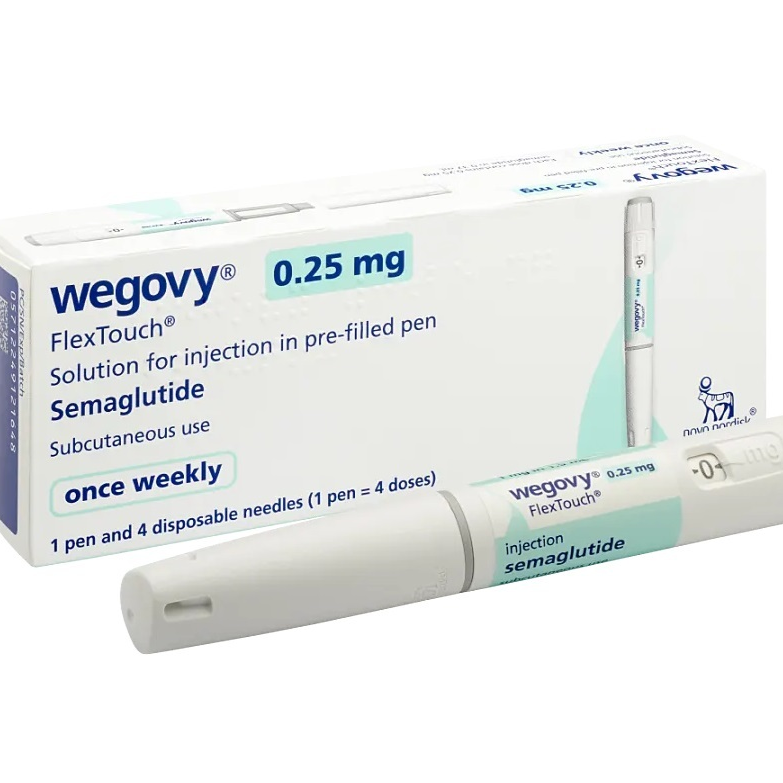
Wegovy – Semaglutide Weight Loss Injection
Wegovy is an FDA-approved prescription medication containing semaglutide.
Manufactured by Novo Nordisk, Wegovy is approved for chronic weight management in eligible adults and adolescents.
The medication is administered once weekly.
Wegovy works by activating GLP-1 receptors involved in appetite regulation and food intake.
Available Wegovy Injection Strengths
Wegovy 0.25 mg: Recommended starting injection dose.
Wegovy 0.5 mg: Second treatment stage.
Wegovy 1 mg: Intermediate dose-escalation stage.
Wegovy 1.7 mg: Maintenance or escalation dose.
Wegovy 2.4 mg: Recommended maintenance dose for many eligible patients.
Wegovy HD 7.2 mg: Higher-dose treatment approved in March 2026 for additional weight reduction in certain adults.
Benefits of Wegovy
Wegovy may help eligible patients reduce appetite, increase feelings of fullness, and achieve clinically meaningful weight reduction.
In a major clinical trial, patients taking Wegovy 2.4 mg lost approximately 15% of their starting body weight on average over 68 weeks.
Results vary between patients.
Who May Qualify for Wegovy?
Wegovy is approved for chronic weight management in eligible adults with obesity or overweight accompanied by a qualifying weight-related medical condition.
Wegovy injection is also approved for eligible adolescents aged 12 years and older with obesity.
Additional approved indications apply to certain cardiovascular and liver-related conditions.
Explore Our Complete Wegovy Weight Loss Injection Guide.
Zepbound – Tirzepatide Weight Loss Injection
Zepbound is an FDA-approved prescription medication containing tirzepatide.
Manufactured by Eli Lilly and Company, Zepbound activates both GIP and GLP-1 receptors.
The medication is administered once weekly.
Zepbound is approved for chronic weight management in eligible adults.
It is also FDA-approved for treating moderate to severe obstructive sleep apnea in adults with obesity.
Available Zepbound Injection Strengths
Zepbound 2.5 mg: Recommended starting dose.
Zepbound 5 mg: First recommended maintenance dose for weight management.
Zepbound 7.5 mg: Intermediate escalation dose.
Zepbound 10 mg: Recommended maintenance dose.
Zepbound 12.5 mg: Higher escalation dose.
Zepbound 15 mg: Maximum recommended maintenance dose.
Benefits of Zepbound
Zepbound may help eligible patients reduce appetite, decrease food intake, and achieve substantial weight reduction.
In a major 72-week clinical trial involving adults with obesity or overweight without diabetes, patients taking Zepbound 15 mg experienced approximately 20.9% average weight reduction.
The medication may also improve obstructive sleep apnea severity in eligible adults.
Who May Qualify for Zepbound?
Zepbound may be prescribed to eligible adults with obesity or overweight accompanied by a qualifying weight-related condition.
It may also be prescribed to adults with obesity and moderate to severe obstructive sleep apnea.
Treatment eligibility must be determined by a licensed healthcare professional.
Explore Our Complete Zepbound Weight Loss Injection Guide.
Saxenda – Liraglutide Weight Loss Injection
Saxenda is an FDA-approved prescription medication containing liraglutide.
Manufactured by Novo Nordisk, Saxenda is administered once daily rather than weekly.
The medication activates GLP-1 receptors and may help reduce appetite and food intake.
Saxenda is approved for chronic weight management in eligible adults and adolescents.
Available Saxenda Injection Doses
Saxenda 0.6 mg: Recommended starting dose.
Saxenda 1.2 mg: Second escalation stage.
Saxenda 1.8 mg: Intermediate escalation dose.
Saxenda 2.4 mg: Higher escalation dose.
Saxenda 3 mg: Recommended adult maintenance dose.
Benefits of Saxenda
Saxenda may help eligible patients achieve meaningful weight reduction when combined with appropriate nutrition and physical activity. In a major 56-week clinical trial, participants receiving Saxenda lost approximately 7.4% of their starting body weight on average. Individual results vary.
Important Saxenda Availability Information
Novo Nordisk has announced plans to discontinue the Saxenda brand in the United States, with final wholesale shipments expected in late January 2027. The manufacturer has stated that this decision is not related to medication safety or quality concerns. FDA-approved generic liraglutide options are available. Patients should discuss availability and suitable alternatives with their healthcare professional.
Explore Our Complete Saxenda Weight Loss Injection Guide.
Ozempic – Semaglutide Injection
Ozempic is a prescription medication containing semaglutide.
Manufactured by Novo Nordisk, Ozempic is primarily approved for improving blood sugar control in adults with type 2 diabetes.
It also has approved indications for reducing certain cardiovascular and kidney-related risks in eligible adults with type 2 diabetes.
Although weight loss may occur during Ozempic treatment, the medication is not FDA-approved specifically for weight management.
Available Ozempic Injection Doses
Ozempic 0.25 mg: Recommended starting dose.
Ozempic 0.5 mg: First maintenance dose.
Ozempic 1 mg: Higher maintenance dose.
Ozempic 2 mg: Maximum recommended weekly injection dose.
How Does Ozempic Work?
Ozempic activates GLP-1 receptors.
It helps improve blood sugar control by affecting insulin and glucagon activity.
Some patients experience appetite reduction and weight loss.
However, weight loss results vary, and Ozempic should not be described as an FDA-approved obesity treatment.
Can Ozempic Be Prescribed for Weight Loss?
A licensed healthcare professional may prescribe Ozempic off-label when medically appropriate.
However, patients specifically seeking an FDA-approved semaglutide medication for chronic weight management should discuss Wegovy with their prescriber.
Explore Our Complete Ozempic USA Medication Guide.
Mounjaro – Tirzepatide Injection
Mounjaro is a prescription medication containing tirzepatide.
Manufactured by Eli Lilly and Company, Mounjaro activates both GIP and GLP-1 receptors.
The medication is approved to improve blood sugar control in adults and children aged 10 years and older with type 2 diabetes.
Mounjaro also has an FDA-approved indication for reducing major cardiovascular events in certain adults with type 2 diabetes who are at high risk.
Although Mounjaro may produce weight loss, it is not FDA-approved specifically for chronic weight management.
Available Mounjaro Injection Strengths
Mounjaro 2.5 mg: Recommended starting dose.
Mounjaro 5 mg: Lower maintenance dose.
Mounjaro 7.5 mg: Intermediate treatment dose.
Mounjaro 10 mg: Higher maintenance dose.
Mounjaro 12.5 mg: Higher adult treatment dose.
Mounjaro 15 mg: Maximum recommended adult weekly dose.
The maximum recommended weekly dose for eligible pediatric patients is 10 mg.
Benefits of Mounjaro
Mounjaro helps improve blood sugar regulation in eligible patients with type 2 diabetes.
Some patients experience reduced appetite and weight loss during treatment.
However, the medication's approved uses differ from those of Zepbound.
Mounjaro vs Zepbound
Mounjaro and Zepbound contain the same active ingredient, tirzepatide.
Mounjaro is approved for specified type 2 diabetes-related indications.
Zepbound is approved for chronic weight management and moderate to severe obstructive sleep apnea in eligible adults.
These medications should not be used together.
Explore Our Complete Mounjaro USA Medication Guide.
How Do Weight Loss Injections Work?
Modern prescription weight loss medications influence biological processes involved in hunger, fullness, digestion, and metabolism. Their effects depend on the active ingredient and the patient's individual medical circumstances.
Appetite Regulation
GLP-1 medications affect pathways involved in appetite regulation. Some patients experience reduced hunger, fewer cravings, and increased feelings of fullness. This can help reduce overall food intake.
Reduced Calorie Consumption
By influencing appetite and satiety, certain medications may help patients consume fewer calories. When combined with appropriate dietary changes, this can contribute to weight reduction.
Slower Gastric Emptying
Some GLP-1-based medications slow the movement of food from the stomach into the small intestine. This affects digestion and may influence how quickly patients feel hungry after eating.
Blood Sugar Regulation
Certain medications improve blood sugar control through effects on insulin and glucagon. This is particularly important for medications approved for type 2 diabetes.
Long Term Weight Management
FDA-approved weight management medications can support sustained weight reduction when treatment is appropriate and continued under medical supervision. However, individual results vary. Weight regain can occur after treatment is discontinued.
Semaglutide vs Tirzepatide vs Liraglutide
Three commonly discussed active ingredients in prescription weight management are semaglutide, tirzepatide, and liraglutide. Although they affect related biological pathways, they are different medications.
Semaglutide Injections
Semaglutide is a GLP-1 receptor agonist.
It is the active ingredient in Wegovy and Ozempic.
Semaglutide injections are administered once weekly.
Wegovy is specifically approved for chronic weight management in eligible patients.
Ozempic is approved for specified type 2 diabetes-related indications.
Tirzepatide Injections
Tirzepatide activates both GIP and GLP-1 receptors.
It is the active ingredient in Zepbound and Mounjaro.
Tirzepatide injections are administered once weekly.
Zepbound is approved for chronic weight management in eligible adults.
Mounjaro is approved for type 2 diabetes-related indications.
Liraglutide Injections
Liraglutide is a GLP-1 receptor agonist.
It is the active ingredient in Saxenda.
Saxenda is administered once daily.
It is approved for chronic weight management in eligible adults and adolescents.
Which Active Ingredient Is Best for Weight Loss?
Clinical trials have demonstrated meaningful weight reductions with semaglutide, tirzepatide, and liraglutide.
However, treatment effectiveness differs depending on the dose, study population, and individual response.
A healthcare professional should determine which medication is appropriate based on medical history, treatment goals, risks, and available evidence.
Weight Loss Injection Dosages: Daily vs Weekly Treatment
Prescription weight management injections have different dosing schedules.
Some are administered daily, while others are administered weekly.
Once Weekly Weight Loss Injections
Wegovy and Zepbound are administered once weekly.
Ozempic and Mounjaro are also administered weekly but have different approved medical indications.
Weekly injections may be more convenient for patients who prefer not to administer medication every day.
Once Daily Weight Loss Injections
Saxenda is administered once daily.
Its dosage is gradually increased to the recommended maintenance dose.
Why Do Weight Loss Injections Start at Lower Doses?
Several GLP-1-based medications use gradual dose escalation.
This helps patients adjust to treatment and may reduce gastrointestinal adverse reactions.
Starting at a high dose can increase the risk of nausea, vomiting, and other side effects.
Can Patients Increase Their Dose for Faster Weight Loss?
No.
Patients should never increase prescription doses independently.
Higher doses do not guarantee greater weight loss for every patient and may increase adverse reaction risks.
All dose adjustments must be directed by the prescribing healthcare professional.
Weight Loss Injection Results: How Much Weight Can You Lose?
One of the most common questions about prescription weight loss injections concerns expected results.
Clinical studies have demonstrated meaningful average weight reduction with several FDA-approved treatments.
However, weight loss outcomes differ between individuals.
Wegovy Weight Loss Results
In a major 68-week clinical trial, participants receiving Wegovy 2.4 mg lost approximately 15% of their starting body weight on average.
The placebo group experienced substantially less weight reduction.
Wegovy HD Weight Loss Results
In a 72-week study, adults receiving Wegovy HD 7.2 mg experienced approximately 19% average weight reduction.
This higher-dose treatment is intended for certain adults who require additional weight reduction.
Zepbound Weight Loss Results
In a major 72-week clinical trial involving adults without diabetes, participants receiving Zepbound 15 mg lost approximately 20.9% of their starting body weight on average.
Lower maintenance doses also demonstrated clinically meaningful average weight reduction.
Saxenda Weight Loss Results
In a major 56-week clinical trial, participants receiving Saxenda lost approximately 7.4% of their starting body weight on average.
Are These Results Guaranteed?
No.
Clinical trial averages do not predict individual outcomes.
Studies may involve different patient populations, treatment durations, and lifestyle programs, so their results should not automatically be treated as direct comparisons.
What Affects Weight Loss Results?
Important factors include starting body weight, medical history, nutrition, physical activity, treatment duration, prescribed dosage, medication tolerance, and individual biological response.
Patients should work with their healthcare professional to establish realistic goals.
How Long Do Weight Loss Injections Take to Work?
The time required to notice treatment effects varies.
Some patients experience appetite changes during the early treatment stages.
Others may need several weeks before noticing significant changes.
Weight reduction generally occurs gradually rather than immediately.
During the First Month
Patients may begin adjusting to their medication.
Some notice changes in appetite or food intake.
Many medications are still being administered at introductory doses during this period.
During the First Three Months
Some patients begin experiencing more noticeable weight changes.
The healthcare professional may assess medication tolerance, treatment adherence, and early progress.
After Three to Six Months
For some patients, continued treatment may produce additional weight reduction.
The healthcare professional may evaluate whether the current treatment is providing sufficient benefit.
During Long-Term Treatment
Clinical trials have evaluated some medications over periods extending beyond one year.
Long-term treatment may help eligible patients maintain weight reduction.
However, regular medical monitoring remains necessary.
Do Weight Loss Injections Work Without Diet and Exercise?
FDA-approved weight management injections are intended to be used alongside a reduced-calorie diet and increased physical activity.
These lifestyle measures remain important components of treatment.
Who Is Eligible for Prescription Weight Loss Injections in the USA?
Eligibility depends on the specific medication, approved indication, medical history, and treatment goals.
For many prescription weight management medications, healthcare professionals consider body mass index and weight-related medical conditions.
Adults With Obesity
Adults with a BMI of 30 or higher may meet the BMI criterion for certain prescription weight management medications.
Adults With Overweight and Related Medical Conditions
Adults with a BMI of 27 or higher may qualify when they have at least one weight-related medical condition.
Examples include high blood pressure, abnormal cholesterol levels, and type 2 diabetes.
Adolescents With Obesity
Certain medications, including Wegovy injection and Saxenda, are approved for eligible adolescents aged 12 years and older.
Pediatric treatment requires age-appropriate assessment and monitoring.
Not every weight management medication is approved for children.
Patients With Other Medical Conditions
Some medications have additional approved uses involving cardiovascular risk reduction, type 2 diabetes, kidney disease, liver disease, or obstructive sleep apnea.
Eligibility for these indications follows different criteria.
Is Everyone Eligible for GLP-1 Injections?
No.
Some patients have medical conditions or risk factors that make particular medications unsuitable.
A licensed healthcare professional must determine treatment eligibility.
Weight Loss Injections With Insurance in the USA
Insurance coverage is an important consideration for patients researching prescription weight management medications. Some health insurance plans cover certain GLP-1 medications. However, coverage depends on the specific plan and medical indication.
Commercial Insurance
Some commercial plans cover prescription weight management medications.
Other plans exclude medications used primarily for weight loss.
Prior authorization may be required.
Insurance Coverage for Type 2 Diabetes
Medications such as Ozempic and Mounjaro may be covered when prescribed for qualifying type 2 diabetes-related indications.
Coverage is not guaranteed and depends on the insurance plan.
Medicare Coverage
Medicare coverage depends on current program rules, the medication's approved indication, the patient's clinical circumstances, and the relevant prescription drug plan.
Certain manufacturer or government-supported programs may also have eligibility requirements.
Manufacturer Savings Programs
Some pharmaceutical manufacturers offer savings programs for eligible patients.
Commercially insured patients may qualify for reduced copayments.
Patients should verify savings program terms directly with the manufacturer.
How Can Patients Check Coverage?
Patients should contact their insurance provider, healthcare professional, or licensed pharmacist. They should confirm the medication's formulary status, prior authorization requirements, deductible, copayment, and expected out-of-pocket costs.
How to Obtain Weight Loss Injections Online Legally in the USA
Many Americans search for prescription weight loss injections online because they want convenient access to medication information and legitimate pharmacy services.
However, prescription medication access must follow applicable laws and safety requirements.
Step 1: Consult a Licensed Healthcare Professional
A qualified healthcare professional evaluates the patient's medical history, weight-related conditions, current medications, and treatment goals.
Step 2: Determine Medical Eligibility
The healthcare professional determines whether prescription treatment is appropriate.
This may involve reviewing BMI, medical history, blood sugar levels, and other relevant health information.
Step 3: Obtain a Valid Prescription
If treatment is suitable, the prescriber determines the appropriate medication and dosage.
Prescription medications must not be supplied without a valid prescription.
Step 4: Choose a Licensed Pharmacy
Patients should use a legitimate pharmacy licensed to dispense medications in their state.
Appropriately licensed online pharmacies should require prescriptions and provide access to licensed pharmacists.
Step 5: Verify Medication Authenticity
Patients should check medication packaging, expiration dates, labeling, and storage information.
Step 6: Follow Medical Instructions
Patients should follow their prescribed treatment plan and attend recommended follow-up appointments.
Important Online Pharmacy Warning
Avoid websites that offer prescription weight loss injections without requiring medical evaluation or a valid prescription. Patients should also be cautious of suspiciously inexpensive medications, unverified products, and suppliers with unclear business information. The FDA recommends verifying online pharmacy licensing through state pharmacy boards.
Are Compounded Weight Loss Injections the Same as FDA-Approved Medications?
Some online sellers advertise compounded semaglutide or tirzepatide products. These products should not automatically be considered equivalent to FDA-approved medications. Compounded drugs are not FDA-approved. The FDA does not review compounded products for safety, effectiveness, or quality before marketing in the same way it reviews approved medications. The agency has also reported dosing errors and adverse events associated with some compounded injectable GLP-1 products. Compounding may be appropriate in certain legally permitted circumstances when a patient's specific medical needs cannot be met by an available FDA-approved product. However, patients should not assume compounded medications have the same regulatory status as branded products. Anyone considering a compounded medication should discuss the risks, medical necessity, and pharmacy licensing with their healthcare professional.
Common Side Effects of Weight Loss Injections
Prescription GLP-1-based medications can cause side effects. The type and frequency of adverse reactions depend on the specific medication and dosage.
Nausea
Nausea is among the most commonly reported side effects. It may occur during treatment initiation or dose escalation.
Vomiting
Some patients experience vomiting during treatment. Persistent vomiting can increase the risk of dehydration.
Diarrhea
Diarrhea is another commonly reported gastrointestinal side effect. Patients should contact their healthcare professional if symptoms become severe or persistent.
Constipation
Certain medications may cause constipation. Patients should seek medical advice if symptoms are significant or prolonged.
Abdominal Discomfort
Some patients experience abdominal pain, bloating, indigestion, or heartburn.
Reduced Appetite
Appetite reduction is an expected treatment effect for certain weight management medications. However, severe inability to eat or drink requires medical evaluation.
Fatigue
Some patients report fatigue during treatment. Fatigue may have several possible causes, including changes in food intake or hydration.
Do Side Effects Improve Over Time?
Some gastrointestinal symptoms improve as the body adjusts to treatment. However, persistent or serious symptoms should not be ignored. Patients should contact their healthcare professional rather than independently changing their medication dosage.
Serious Weight Loss Injection Risks and Warnings
Prescription weight loss injections can cause serious adverse reactions. Patients should understand the important warnings associated with their medication.
Pancreatitis
Severe and persistent abdominal pain, sometimes spreading to the back, may indicate pancreatitis. Immediate medical evaluation is necessary.
Gallbladder Disease
Some medications are associated with gallbladder problems. Symptoms may include upper abdominal pain, fever, nausea, or yellowing of the skin and eyes.
Kidney Injury
Severe vomiting or diarrhea may cause dehydration and worsen kidney function. Patients should seek medical advice if they cannot maintain adequate hydration.
Severe Allergic Reactions
Swelling of the face, lips, tongue, or throat, or difficulty breathing, requires emergency medical attention.
Hypoglycemia
The risk of low blood sugar may increase when certain GLP-1 medications are combined with insulin or sulfonylurea medications.
Severe Gastrointestinal Reactions
These medications may cause serious digestive symptoms. Some are not recommended for patients with severe gastroparesis.
Diabetic Retinopathy Complications
Patients with type 2 diabetes and existing diabetic eye disease may require closer monitoring when receiving certain treatments.
Pulmonary Aspiration During Anesthesia
Because these medications can delay gastric emptying, patients should inform their medical team before procedures involving general anesthesia or deep sedation.
Important Medical Advice
Patients should carefully read the official Medication Guide supplied with their prescription. All serious or persistent symptoms should be reported to a healthcare professional.
Important Thyroid Cancer Warning
Several GLP-1-based prescription medications discussed in this guide carry an FDA boxed warning concerning thyroid C-cell tumors. Animal studies involving certain active ingredients demonstrated thyroid C-cell tumors. It is not known whether these medications cause medullary thyroid carcinoma in humans.
Who Must Not Use These Medications?
Patients with a personal or family history of medullary thyroid carcinoma must not use medications carrying this contraindication. Patients with Multiple Endocrine Neoplasia syndrome type 2 (MEN 2) must also avoid these medications.
Symptoms That Require Medical Attention
Patients should report unusual neck swelling, persistent hoarseness, difficulty swallowing, or breathing problems. A healthcare professional should review the full contraindications before treatment begins.
Weight Loss Injections During Pregnancy and Breastfeeding
Prescription weight loss medications are not intended for weight reduction during pregnancy. Weight loss during pregnancy does not provide a medical benefit and may present risks to fetal development. Patients who become pregnant while receiving medication for weight management should contact their healthcare professional promptly.
Pregnancy Planning
Certain medications must be discontinued before a planned pregnancy. For example, semaglutide-containing medications generally require discontinuation at least two months before a planned pregnancy because semaglutide remains in the body for an extended period. Other medications have different considerations.
Breastfeeding
Patients who are breastfeeding or planning to breastfeed should discuss medication safety with their healthcare professional. Recommendations depend on the specific medication and formulation.
Birth Control Considerations
Tirzepatide may reduce the effectiveness of oral hormonal contraceptives because it delays gastric emptying. Patients taking tirzepatide should discuss appropriate contraception with their healthcare professional. Additional precautions may be necessary after treatment initiation and dose increases.
How to Store Weight Loss Injections Correctly
Proper storage is essential for maintaining medication quality. Different medications and product presentations have different storage requirements.
Refrigerated Storage
Many prescription weight loss injections require refrigeration before first use. Common refrigerator storage temperatures are between 36°F and 46°F (2°C–8°C). However, patients should follow the instructions for their exact medication.
Room Temperature Storage
Some injection pens and vials may be kept at room temperature for limited periods. The permitted duration varies by brand and presentation.
Protecting Medication From Heat
Excessive heat may affect medication quality. Patients should not leave prescription injections in hot vehicles or expose them to direct sunlight.
Avoid Freezing
Most GLP-1 injection products must not be frozen. Medication that has been frozen should not be used when the product labeling prohibits it.
Safe Needle Disposal
Used needles and injection devices should be disposed of according to the manufacturer's instructions and local sharps disposal requirements.
Important Storage Reminder
Patients should never assume that storage instructions for one medication apply to another. Always follow the official instructions supplied with the prescribed product.
Daily vs Weekly Weight Loss Injections: Which Is More Convenient?
Injection frequency is an important consideration for patients comparing treatments.
Daily Weight Loss Injections
Saxenda requires daily administration. Some patients may prefer daily routines, while others may find the frequency inconvenient.
Weekly Weight Loss Injections
Wegovy and Zepbound are administered once weekly. For some patients, weekly dosing is easier to incorporate into their schedule.
Does Weekly Dosing Mean Better Results?
Not necessarily. Treatment effectiveness depends on the medication, dose, individual response, and medical circumstances. The most convenient injection schedule is not automatically the most medically appropriate option. A healthcare professional should determine the best treatment plan.
Wegovy vs Zepbound: Which Weight Loss Injection Is More Effective?
Wegovy and Zepbound are two widely researched prescription weight management medications in the United States. Both are administered once weekly. However, they contain different active ingredients.
Wegovy
Wegovy contains semaglutide. It activates GLP-1 receptors.
Zepbound
Zepbound contains tirzepatide. It activates both GIP and GLP-1 receptors.
Clinical Weight Loss Comparison
In a head-to-head clinical study involving adults with obesity who did not have diabetes, tirzepatide produced greater average weight reduction than semaglutide at the doses studied. However, individual responses vary. The results do not mean tirzepatide is automatically the best treatment for every patient.
Which Medication Should Patients Choose?
Treatment selection depends on medical history, approved indications, side effects, insurance coverage, medication availability, and the healthcare professional's assessment. Patients should not choose a medication based solely on the largest weight loss percentage reported in a clinical trial.
Can Weight Loss Injections Be Used Long Term?
Some FDA-approved weight management medications are intended for long-term use.
Obesity is a chronic medical condition, and treatment may require ongoing management.
Do Patients Need to Stay on Treatment Forever?
Not necessarily.
Treatment duration depends on clinical response, tolerability, medical circumstances, and individual needs.
A healthcare professional should periodically assess whether the benefits continue to outweigh the risks.
What Happens After Stopping Weight Loss Injections?
Weight regain may occur after treatment is discontinued.
Clinical studies have shown that some patients regain part of their lost weight after stopping certain medications.
How Can Patients Maintain Weight Loss?
Long-term management may involve appropriate nutrition, regular physical activity, adequate sleep, behavioral support, and continued medical follow-up.
Some patients may require ongoing medication treatment.
Patients should discuss long-term strategies with their healthcare professional.
21. Benefits of Medically Supervised Weight Management
Prescription medications may support important health improvements in appropriately selected patients.
Weight reduction can benefit some individuals living with obesity or weight-related medical conditions.
Improved Weight Management
FDA-approved medications may help eligible patients achieve and maintain clinically meaningful weight reduction.
Improved Metabolic Health
Certain medications can improve blood sugar regulation and other metabolic measures.
Cardiovascular Benefits
Some medications have FDA-approved indications for reducing specific cardiovascular risks in eligible patients.
Sleep Apnea Treatment
Zepbound has an approved indication for treating moderate to severe obstructive sleep apnea in adults with obesity.
Support for Long-Term Health Goals
Weight management may contribute to improved overall health when combined with appropriate medical care and lifestyle changes.
Important Consideration
Not every medication provides every benefit described above.
Approved uses differ between products.
Patients should review their individual treatment goals with a healthcare professional.
Why Medical Supervision Is Essential
Prescription weight loss injections affect important biological processes.
They must be used carefully.
Medical supervision helps determine whether a treatment is appropriate and whether its benefits outweigh its risks.
Reviewing Medical History
Healthcare professionals assess existing medical conditions, medication allergies, family history, and previous treatment responses.
Selecting the Appropriate Medication
Different medications have different FDA-approved indications.
The prescriber determines which treatment may be suitable.
Choosing the Correct Dosage
Most injectable weight management treatments require gradual dose escalation.
Monitoring Side Effects
Healthcare professionals evaluate adverse reactions and determine whether treatment changes are necessary.
Assessing Effectiveness
Regular follow-up helps determine whether treatment is producing meaningful benefits.
Managing Long Term Treatment
Healthcare professionals can help patients develop realistic weight management goals and appropriate maintenance plans.
Choosing the Right Prescription Weight Loss Injection
Selecting a prescription weight management treatment requires more than comparing prices or weight loss percentages. Different medications have different active ingredients, approved indications, dosing schedules, side effects, and medical considerations.
Understanding Your Treatment Goals
Patients should consider whether their primary medical goal involves chronic weight management, type 2 diabetes treatment, or another approved indication.
Discussing Medication Options
A healthcare professional can explain the differences between available prescription treatments.
Evaluating Medical History
Certain health conditions may affect medication eligibility.
Reviewing Potential Side Effects
Patients should understand common and serious adverse reactions before beginning treatment.
Comparing Costs
Insurance coverage and out-of-pocket expenses may influence treatment accessibility.
Considering Long-Term Care
Some patients may require ongoing treatment and follow-up.
The most appropriate weight loss medication is the one selected for the patient's individual medical needs—not simply the medication with the highest dose or greatest reported average weight reduction.
Why Patients Research Weight Loss Injections Online USA
Online medical resources have made it easier for Americans to learn about prescription weight management options. Patients frequently search for information about GLP-1 medications, treatment eligibility, dosage strengths, prescription costs, insurance coverage, and medication safety. Many people want to understand the differences between Wegovy and Zepbound or compare semaglutide with tirzepatide. Others are researching Ozempic and Mounjaro after hearing about potential weight changes associated with diabetes treatment. Some patients are also considering daily treatments such as Saxenda or researching generic liraglutide alternatives. Reliable information can help patients understand the medical differences between these treatments. However, medication selection should always involve appropriate clinical evaluation. Patients should avoid unlicensed suppliers, misleading promises of guaranteed weight loss, and offers of prescription medication without valid prescriptions.
Explore Our Complete Weight Loss Medication Guides
At Weight Loss Injections Online USA, we provide educational information about prescription medications used in weight management and metabolic health. Our guides explain medication strengths, FDA-approved uses, potential benefits, treatment costs, and important safety information.
Wegovy for Sale Online USA
Explore FDA-approved semaglutide weight management injections, available strengths, prescription requirements, 2026 costs, and clinical results.
Read Our Complete Wegovy Guide
Zepbound for Sale Online USA
Learn about tirzepatide weight management injections, all six strengths, FDA-approved indications, treatment costs, and potential side effects.
Read Our Complete Zepbound Guide
Saxenda for Weight Loss USA
Discover daily liraglutide injections, the five available doses, treatment benefits, costs, and important availability updates.
Read Our Complete Saxenda Guide
Ozempic for Sale Online USA
Learn about Ozempic's FDA-approved type 2 diabetes-related indications, semaglutide injection strengths, prescription requirements, and potential side effects.
Read Our Complete Ozempic Guide
Mounjaro for Sale Online USA
Explore tirzepatide injections for type 2 diabetes, the six available strengths, medication benefits, prescription costs, and safety considerations.
Read Our Complete Mounjaro Guide
Final Thoughts: Weight Loss Injections Online USA
Prescription weight loss injections have become an important part of medically supervised weight management in the United States.
Medications such as Wegovy, Zepbound, and Saxenda are FDA-approved for chronic weight management in eligible patients.
Ozempic and Mounjaro are approved for different medical indications, primarily involving type 2 diabetes and associated health risks.
Although these medications affect related biological pathways, they are not interchangeable.
Each treatment has specific dosage recommendations, potential benefits, contraindications, and safety warnings.
Clinical trials have demonstrated meaningful average weight reduction with several FDA-approved treatments.
However, individual results vary, and no prescription medication guarantees weight loss.
Successful long-term weight management may require a combination of medical treatment, appropriate nutrition, physical activity, behavioral support, and regular follow-up care.
Patients should carefully review treatment options with a licensed healthcare professional before beginning prescription medication.
Discover Weight Loss Injection Information Across the USA
At Weight Loss Injections Online USA, our goal is to provide accessible educational resources about prescription weight management medications. We cover important topics including:
Semaglutide Weight Loss Injections: Learn about Wegovy and Ozempic.
Tirzepatide Injections: Explore Zepbound and Mounjaro.
Liraglutide Weight Management: Discover Saxenda and generic liraglutide information.
Weight Loss Injection Dosages: Understand starting doses, maintenance doses, and treatment schedules.
Weight Loss Injection Costs: Learn about insurance coverage, retail pricing, and manufacturer savings programs.
Medication Benefits: Explore clinical research and approved treatment uses.
Medication Safety: Understand common side effects, serious warnings, and prescription requirements.
Weight Loss Injection Comparisons: Discover differences between popular GLP-1 medications.
Our educational information is relevant to readers throughout the United States, including California, Texas, Florida, New York, Georgia, Illinois, Pennsylvania, Arizona, North Carolina, New Jersey, and other states.
Learn More About Prescription Weight Loss Injections Today
Are you looking for reliable information about Weight Loss Injections Online USA? Explore our detailed medication guides covering Wegovy, Zepbound, Saxenda, Ozempic, and Mounjaro. Discover available injection strengths, approved medical uses, treatment costs, clinical evidence, safety warnings, and prescription requirements. Weight Loss Injections Online USA – Your Educational Guide to Prescription GLP-1 Medications, Medical Weight Management, and Treatment Safety. Make informed healthcare decisions by discussing your individual needs with a licensed healthcare professional.
Medical Disclaimer
The information provided in this article is intended for general educational and informational purposes only. It does not constitute medical advice, diagnosis, or treatment.
All prescription medications discussed in this article require appropriate medical evaluation and a valid prescription.
Medication eligibility, treatment selection, dosage schedules, and medication adjustments must be determined by a licensed healthcare professional.
Weight loss results vary between individuals.
Medications may cause serious adverse reactions and are not suitable for everyone.
Patients should never start, stop, combine, or change prescription medications without appropriate medical guidance.
Medication prices, insurance coverage, manufacturer savings programs, and pharmacy availability may change.
Always obtain prescription medication through legitimate, appropriately licensed pharmacies.
Last Updated: November 6, 2026
Published By: Weight Loss Injections Online USA
Name: Dr. Meriane
WhatsApp: +1 (239) 383-2888
Email: info@injectweightloss.org
Weight Loss Injections Online USA, Buy Weight Loss Injections Online USA, Weight Loss Injections for Sale USA, Best Weight Loss Injections USA, GLP-1 Weight Loss Injections USA, Prescription Weight Loss Injections, FDA Approved Weight Loss Injections, Semaglutide Injections USA, Tirzepatide Injections USA, Liraglutide Weight Loss USA, Wegovy for Sale Online USA, Zepbound for Sale Online USA, Saxenda for Weight Loss USA, Ozempic Online USA, Mounjaro Online USA, Weight Loss Injection Prices USA, Weight Loss Injection Dosages, Medical Weight Management USA, Weight Loss Injections Without Insurance, GLP-1 Prescription USA, Wegovy vs Zepbound, Ozempic vs Mounjaro, Weight Loss Medication Side Effects, Online Weight Loss Treatment USA, Weight Loss Medication Guide 2026